
Member briefing | Energy strategy, flexibility, and market developments
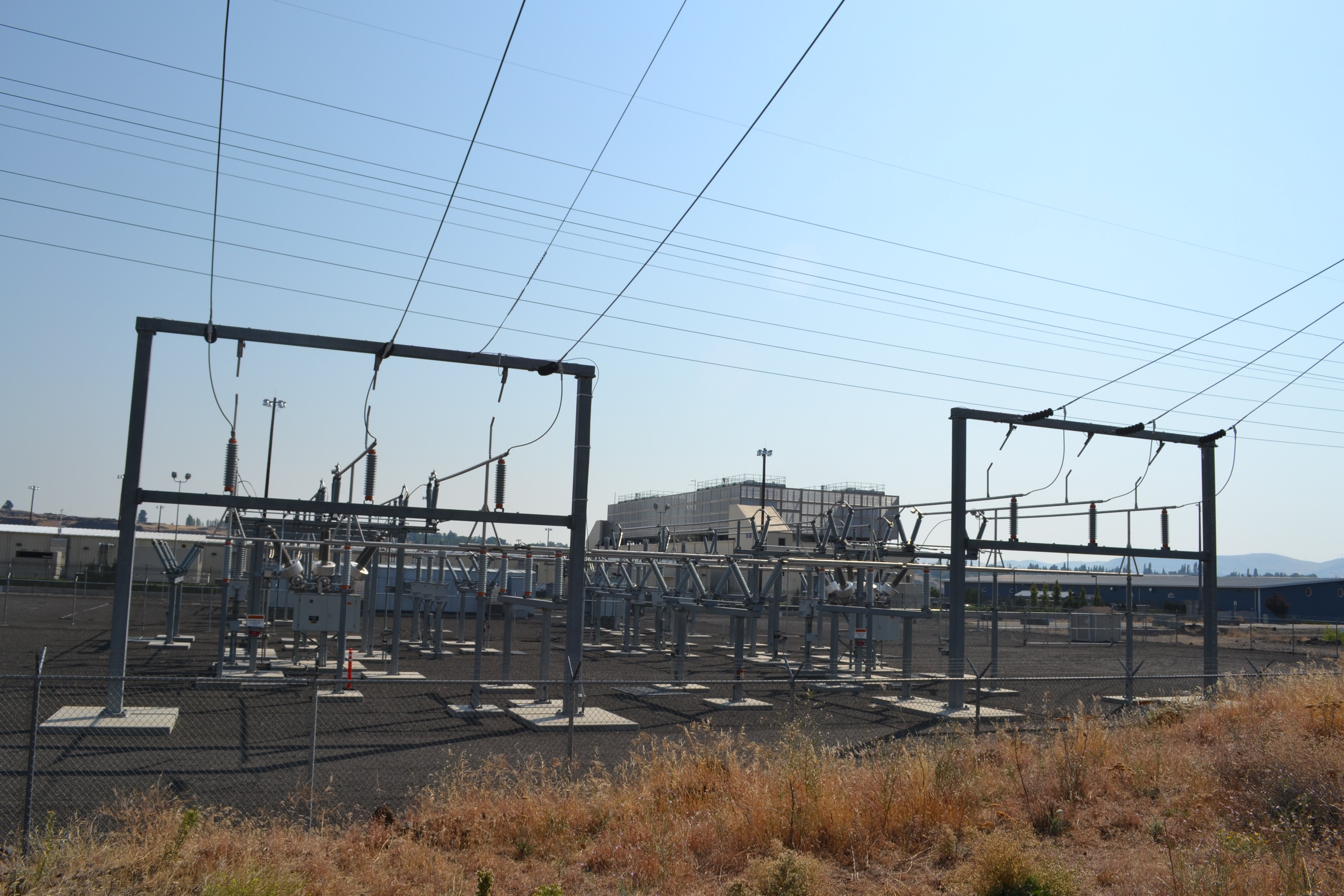
Negative electricity prices get attention, but the deeper message is about flexibility, capture value, and timing. Renewable procurement needs to account for when power is produced, not only how much is produced.
What to remember
- Negative prices usually indicate a lack of system flexibility during high renewable output and low demand.
- Renewable procurement should consider capture value, profile risk, and balancing exposure.
- Flexible demand can turn price volatility into an advantage when the business process allows it.
The headline is easy; the meaning is harder
Negative electricity prices are often treated as a curiosity: power is so abundant that the price drops below zero. The more useful interpretation is that the system has too little flexibility at that moment. Generation is high, demand is low, and the market is struggling to move, store, or curtail electricity efficiently.
For members, the lesson is not simply “wait for cheap hours.” Negative prices can be short, local, and hard to capture without the right contract and controls. The deeper message is that timing now matters as much as volume. A megawatt-hour at noon on a sunny holiday is not commercially equivalent to a megawatt-hour during a winter evening peak.
Renewable procurement is becoming more profile-aware
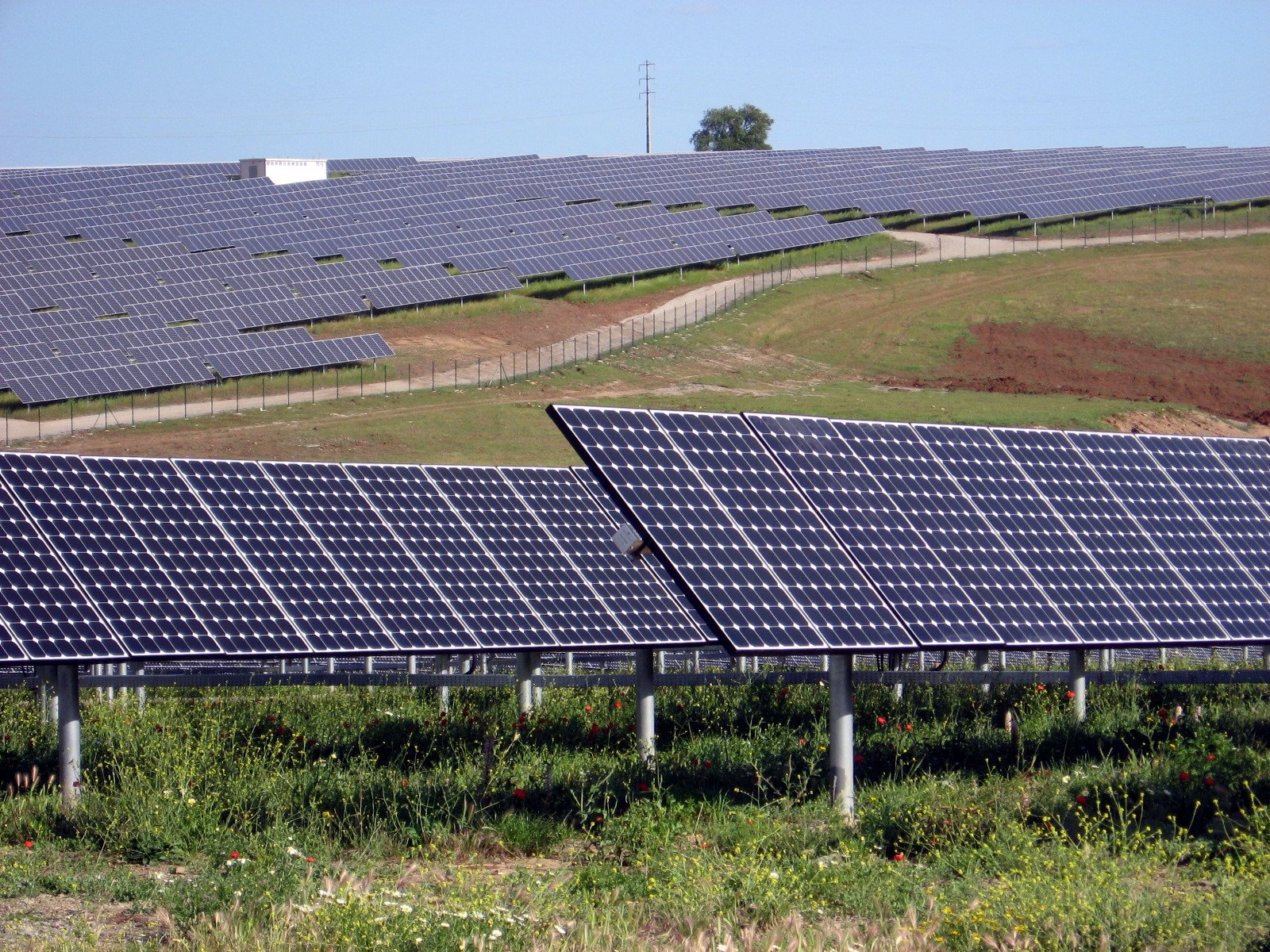
Companies that buy renewable electricity through PPAs or certificates often focus on annual volume and sustainability claims. Those remain important, but power markets are increasingly shaped by hourly value. As more solar and wind capacity enters the system, the market value of generation during crowded hours can fall. This is the capture-rate issue: the average price received by a technology can differ from the average market price.
That does not make renewables less important. It makes procurement design more important. Buyers should understand whether a contract transfers profile risk, balancing risk, and curtailment risk. A low headline price may still create exposure if the company consumes during expensive hours and procures generation during cheaper hours.
Onsite generation needs operational integration
The same logic applies to onsite solar. A rooftop system can reduce energy costs and emissions, but its value depends on how much production is consumed onsite, exported, curtailed, or paired with storage. If the site has flexible load, solar can support operations more directly. If not, the economics depend more heavily on export rules and market prices.
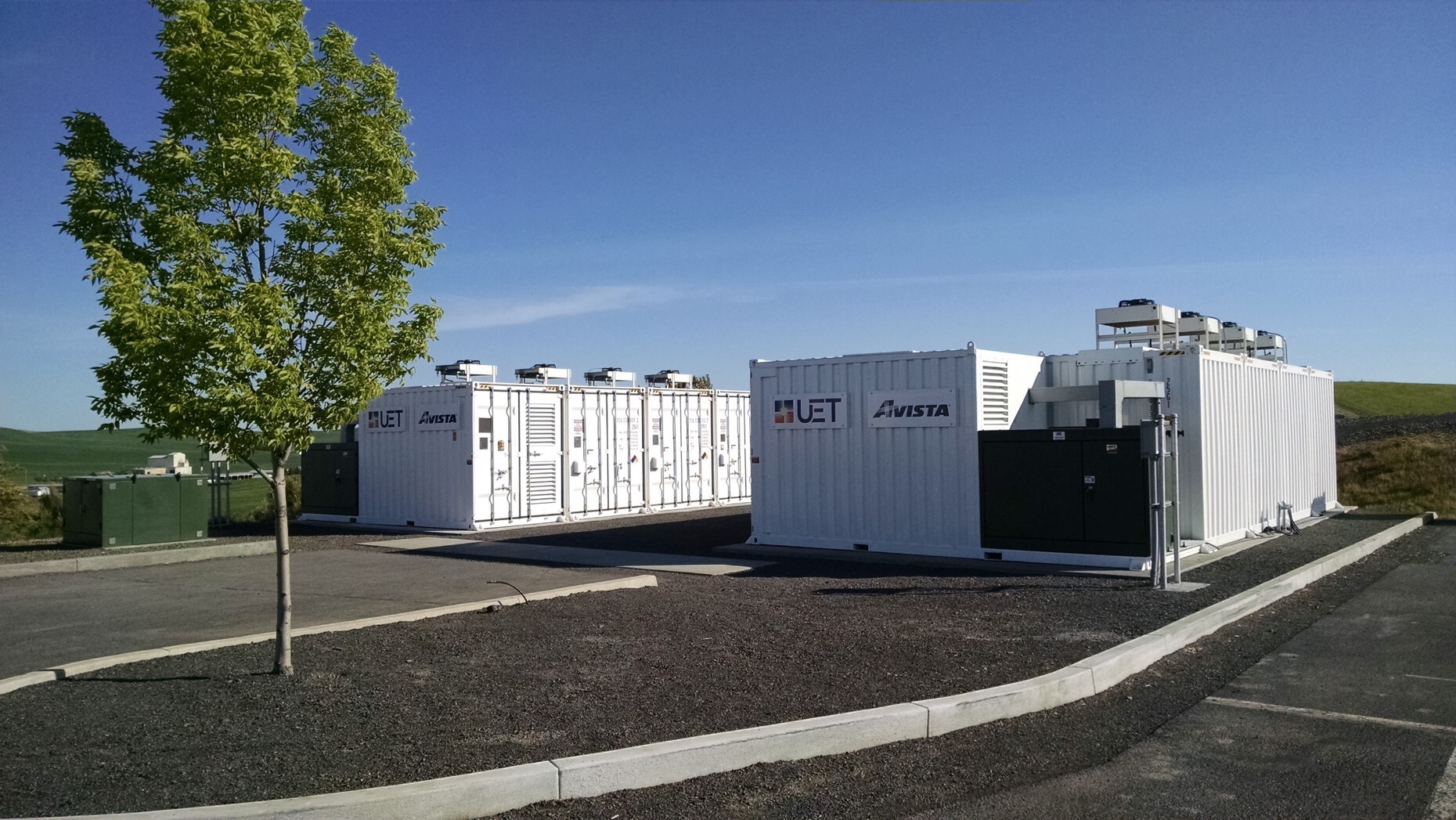
This is why load shifting and storage should be considered early in renewable projects. A solar installation, a battery, a fleet of chargers, and a production schedule are not separate decisions anymore. They are parts of one energy operating model.
What to ask before signing a renewable contract
Members should ask five practical questions. What is the generation profile? How does it match our consumption profile? Who carries imbalance and curtailment risk? What happens during negative-price hours? How will performance and guarantees be reported over time?
These questions are not meant to slow down renewable procurement. They help make it stronger. A good contract should support sustainability targets and commercial resilience. A weak contract may deliver annual certificates while leaving the business exposed to hourly price and balancing effects.
The role of meter data
Hourly strategy needs hourly evidence. Meter readings, forecasts, and downloadable reports help teams compare consumption with market conditions. They also make it easier to explain decisions internally. If operations changed a process to avoid a peak or consume during a cheap period, the business needs a record of the action and the result.
Negative prices will continue to attract headlines. For Scholt members, the useful response is disciplined: understand the price shape, map flexible load, review contract risk, and use meter data to turn volatility into an operating signal rather than a surprise on the invoice.